
The Brome agricultural Fair began in 1856. Phil LeChasseur, who was president of the fair in 2012 & 2024, recently discovered this sign.
I was commissioned to make a replica and fill in the missing section.I’d love to know when the original sign was made, but I’m no history expert, so I welcome any additional information.
Based on these clues we found, the sign dates from sometime between 1930 and 1949.

TILT-A-WHIRL
Tilt-A-Whirl was my favorite ride at the Brome Agricultural Fair when I was a young boy.
My parents had a booth for many years, where my dad would talk for hours with customers while handing out promotional items.
This left me lots of free time to enjoy the mid-way rides.


Marion Phelps, who was a curator and archivist for the Brome County Historical Society wrote the following in the Dictionnary of Canadian Biography:
“In 1815, after farming in Stukely, Paul Holland Knowlton moved to Brome Lake where he cleared a farm, built a home on the lake, and operated a store and a distillery.”
Since photography was only available to the general public later, I can only imagine if there ever was a sign for the Distillery, and it may look like. I chose a copper finish, which recalls the alembics used for distillation at the time.


Glen mountain was my favorite place to ski.
The Knowlton Academy ski program offered students (both St-Edouard's school and Knowlton Academy) the opportunity to learn for free.
John Parry was my first instructor when I was in third grade; He always had a great smile and was totally devoted to teaching us how to do the snow plow down the beginner’s slope.


At the Bruck Museum Exhibit
September 12th - October 31st, 2026
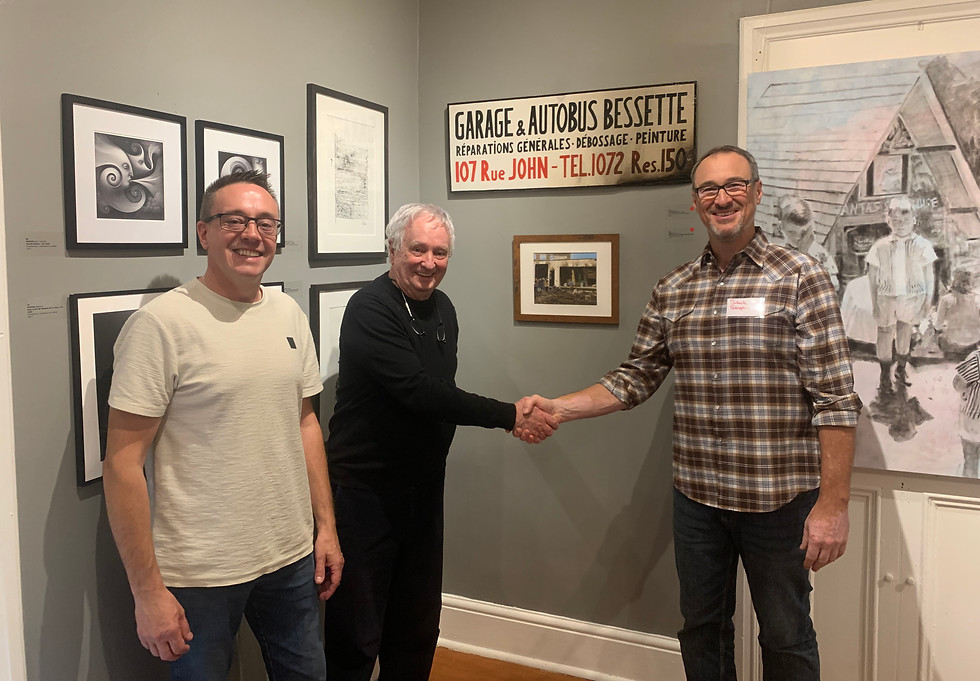
In January 1957, the Bessette Garage & Bus Depot on John Street in Cowansville fell victim to flames. This sign (a scaled-down replica) was originally mounted above the building. It was likely partially burned before firefighters could extinguish the blaze.
I chose this damaged piece because it reminded me of wood charred by fire. I burned it and exposed it to smoke to achieve its final appearance.

We all remember where we were 25 years ago today, and though we watched in fear and disbelief, the heroes of September 11th proved that there is still good in this world.
These brave men and women showed us courage and strength, and how love and unity can shine in the face of darkness.
Let’s also honor and thank those who serve our local communities and keep us safe. Their courage and sacrifice remind us of the strength, resilience, and unity that define us.
Thank you for your service.


We all remember where we were 25 years ago today, and though we watched in fear and disbelief, the heroes of September 11th proved that there is still good in this world.
These brave men and women showed us courage and strength, and how love and unity can shine in the face of darkness.
Let’s also honor and thank those who serve our local communities and keep us safe. Their courage and sacrifice remind us of the strength, resilience, and unity that define us.
Thank you for your service.

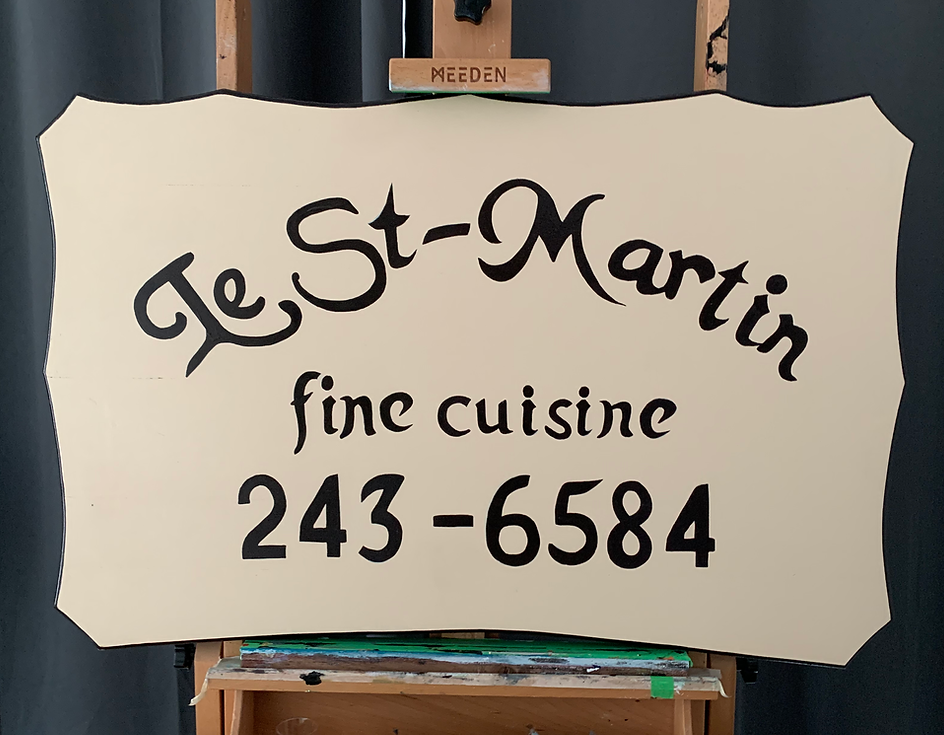
Located at the entrance to the village of Knowlton, across from Bailey Road, Le St-Martin was a fine dining restaurant where Nancy and André Charbonneau offered succulent dishes, accompanied by carefully selected wines.
Before ordering, André would describe the menu with a symphony of words, allowing us to dream of the aromas and textures before even tasting them.
The food was exquisite and the music created an intimate, cozy atmosphere.


Back in the 1980s, There was ice racing behind The Thirsty Boot in Knowlton. Dirt bikes with studded tires battled for first place on the frozen oval track.
I sat down with France Tétreault from Knowlton, and listened to stories about her late husband Raymond and her son Tony, who were both big motorcycle race fans.
Riding with my friend Tony was always good fun… and I still think about him sometimes.

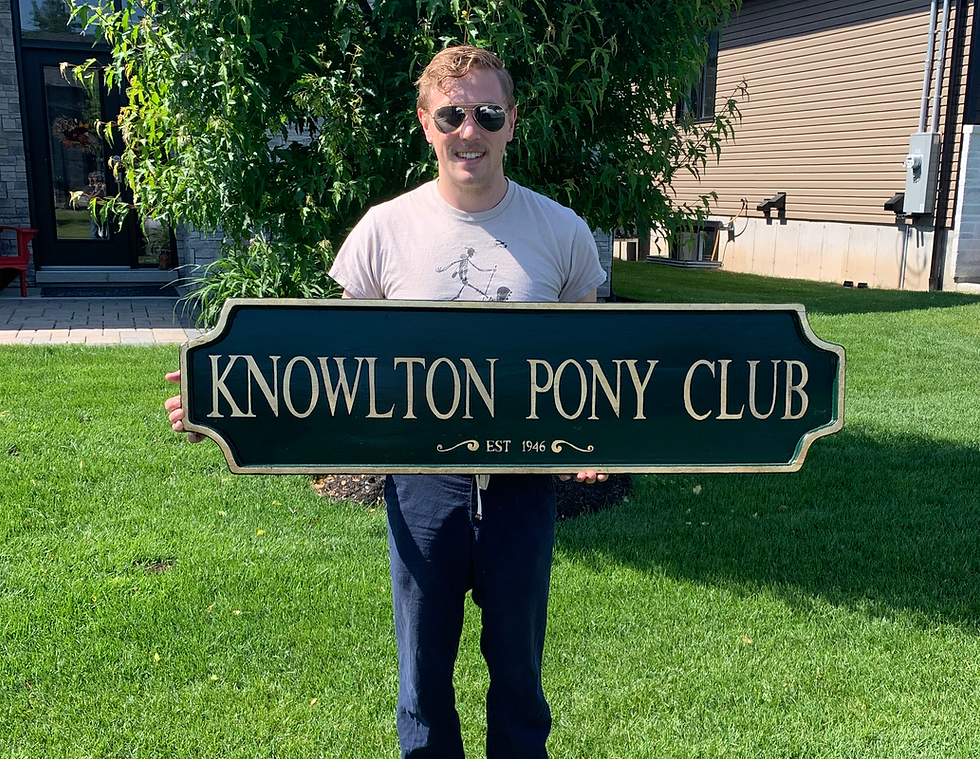
Knowlton Pony Club
The Knowlton Pony Club was where I learned to ride back in the 1980’s. It was located on Ball rd.
My favorite pony was named ‘Wonder’. We once went on a trail ride, and unfortunately he stepped on a ground wasp nest, leaving me holding on for dear life as we galloped away from the nest.
What a ride!

In the 1970's, Knowlton was home to Sepp's Biergarten.
Josef "Sepp" Wurfbaum transformed the old bowling alley into a German Brau Haus with live music.
When I lived across the street, my dad once brought me inside and satme on the counter while Sepp played the accordion.
Mr Wurfbaum was a joyful person and always enjoyed a good laugh.


Chez Guy was an important part of my life in Knowlton. My parents business was located across the road from the restaurant.
I'd often have a coffee at breaktime. The restaurant was destroyed by a fire in 2011.
This sign was made in memory of Jaqueline Corbière, owner of the restaurant, who passed away in 2026.


In 1971, Yves Desgens and Hélène Bessette started their business in Knowlton.
Together, they’ve had a lot of success, but not without hard work. My mom answered the phone & did the book keeping.
My Dad often delivered oil at night and repaired furnaces.

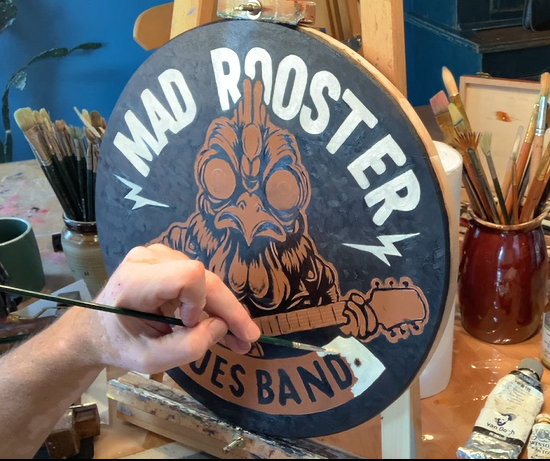
My painting journey allows me to meet people with amazing talent, like Jean-Pierre Mercere, a blues guitarist, who bought a sign that I painted this summer. I connected immediately with thanks to his down-to-earth vibe.
In 2014, Jean Pierre, along with Michel Menard on lead guitar, Denis Leduc on bass and harmonica, and Normand Rioux on drums, formed the Mad Rooster blues band.
Together, they’ve played at various events, including the Montérégie Blues Festival.
After more than a decade, they are still going strong, doing what they love, and most importantly remaining young at heart.
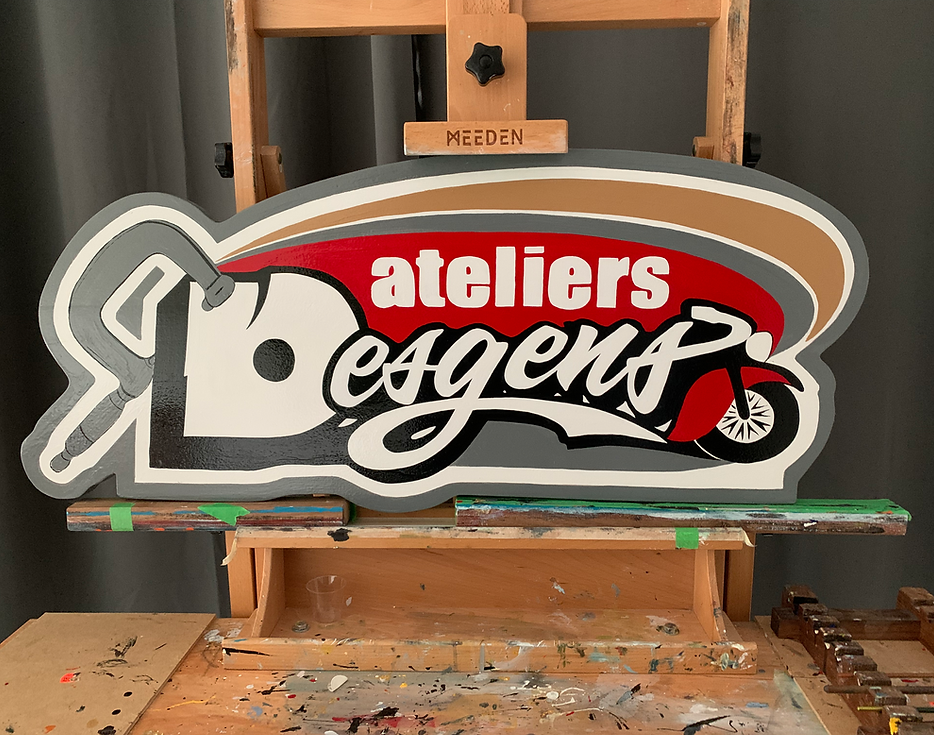
I’ve always loved riding bikes, racing atvs on dirt, asphalt, and ice. I taught my sons how to ride, and they’re very good at it!
I dreamt of having my own shop, so I built it, and restored antique motorcycles.
It felt incredible to turn my passion into a business. I unfortunately had to close the shop when my marriage ended.


I personally restored a few Indian Motorcycles when I had my shop in West-Brome, Quebec.
I once rode a 1939 Sport Scout to Lake George N.Y. and repaired a few Harleys along the way. It paid for my food and hotel fees.
I painted this sign in a house my friend Alex was renovating in Quebec City.
Caution Avalanche
This is one of my first signs I made.
I was exploring using cracked wood to give it the appearance of being weathered for years on top of the mountain.


Mont Echo
Located in Sutton Junction, near Knowlton Quebec, Mont Echo welcomed skiers between 1963 and 1978.
When the hill closed, the pylones were transported by helicopter to Mont Sutton, where those ski lifts from a past era are still in operation today.
Apothicaire
My first solid wood sign with hand-made elevated border, and crackling effect.

Mont Alta
Opened in 1952 under the name Mont Chevreuil, the resort was renamed Mont Alta in 1973.
Located in Val-David, Quebec, the station was in operation until 2012.
Today only seasons pass holders have access to ungroomed trails, where neither ski lifts nor patrols are available.

Montreal Maine & Atlantic
The Montreal, Maine and Atlantic Railway operated in Maine, Vermont and Quebec between 2002 and 2014.
MMA entered in bankruptcy protection in 2013 as a direct result of the Lac-Mégantic railway disaster, a runaway train incident that burned part of the downtown area in July 2013.

Sno-Jet Snowmobiles
Sno-Jet was in Quebec in 1965. They quickly proved popular and grew to be one of the highest-selling lines of snowmobiles until the early 1970's, helping usher the then - new sport of snowmobiling in Canada and the U.S.
The Glastron boat company bought Sno-Jet in 1968. It was then sold to Kawasaki in 1976, who used the name Sno-Jet until 1980.

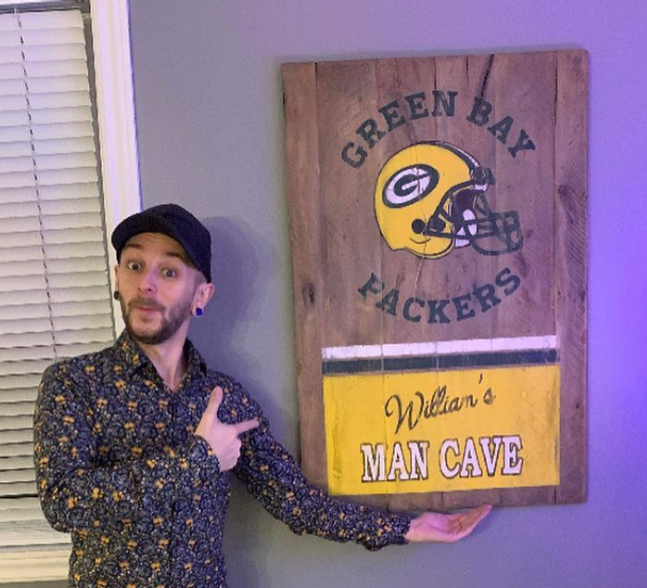
Green Bay Packers
Made this sign for a friend who is a big fan of the team, perfect for his man cave.
BOA SKI
In 1967, Jos Morin and Evariste Boucher decided to manufacture Boa Ski snowmobiles.
In 1968, the company built 1350 units. By 1971, production was up to 4000 units, had 14 distributors and 1200 dealers.
Boa Ski was active on the racing scene with slick looking 3 cylinder machines.

SKIROULE
The origin of the word Skiroule comes from the combination of the word ski, and the contraction of the founder's name Rejean Houle.
Produced in Wickham Quebec from 1966 to 1976, these snowmobiles remain popular amongst collector's today, The 1972 RTX was their most appealing model.

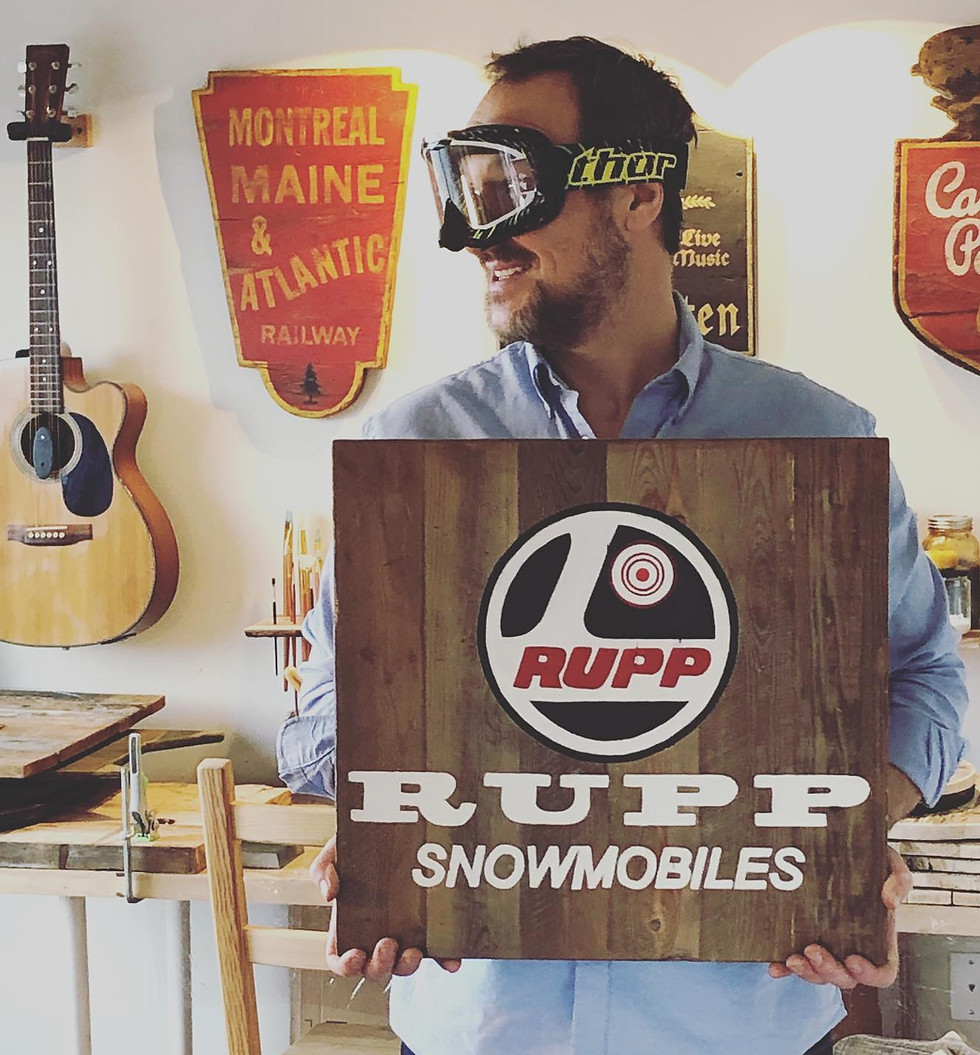
RUPP Snowmobiles
Founded by Mickey Rupp in 1959, a performance enthusiast, Rupp Industries operated until bankruptcy in 1978.
Rupp vehicles are known for their performance and bright red coloring, particularly the snowmobile and off-road vehicles. They have since become extremely collectible items.
Do You Even Lift Bro
Back then my sons where often in the gym, pushing themselves to the limit, often using this expression to tease each other.
They were also in the school ski program and we enjoyed trips to Sutton and Jay Peak.
I combined both ideas to make these weathered logos.

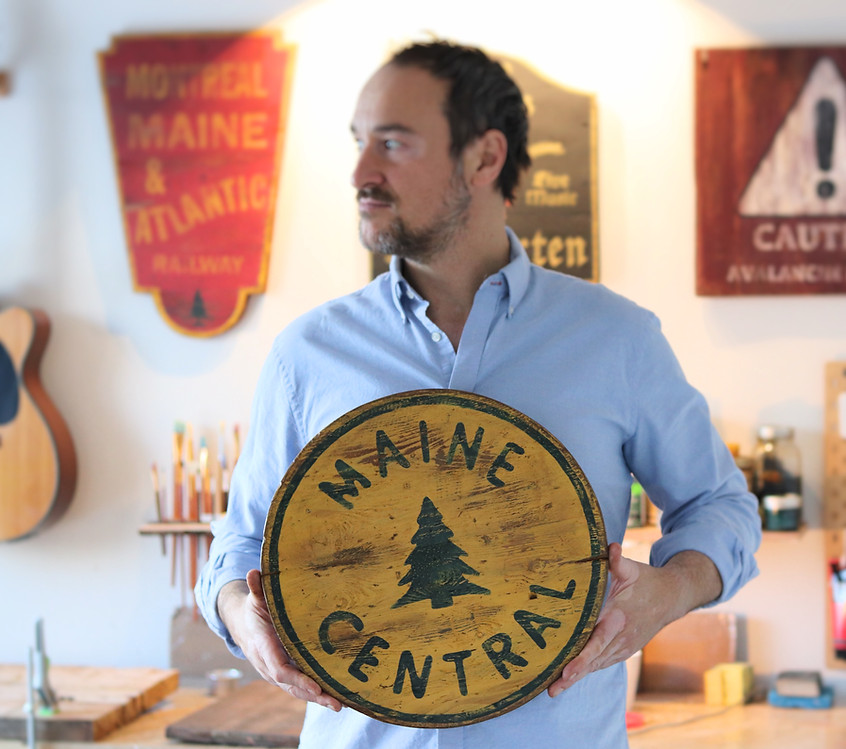
Maine Central
The Maine Central was a U.S. railroad in central southern Maine with extensions into Quebec.
The company was created on October 28, 1862, when the Androscoggin & Kennebec and the Penobscot & Kennebec consolidated under a Maine act of April 1, 1856.
By 1884, it was the longest railroad in New England.
The original railroad ran from Danville Junction, at Auburn, to Bangor, on the Grand Trunk’s 5-foot 6-inch gauge. Guilford Transportation Industries bought it in June 1981.
Canadian National
The Canadian National Railway was created by the federal government between 1918 and 1923 to rescue and consolidate several bankrupt private railway lines.
The government merged five primary struggling systems into one national network: the Canadian Northern Railway, the Grand Trunk Railway, the Grand Trunk Pacific Railway, the Intercolonial Railway, and the National Transcontinental Railway.
The government privatized CN through a massive initial public offering in November 1995, returning the company to private investors.

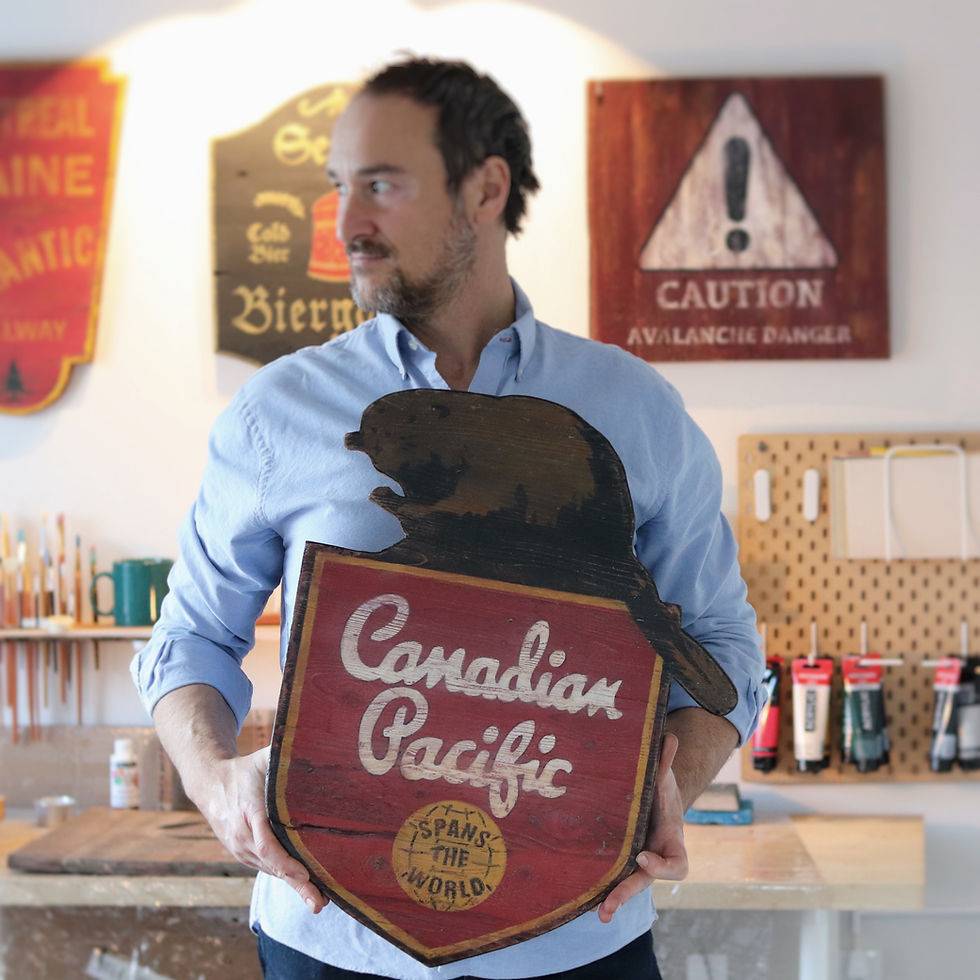
Canadian Pacific
The Canadian Pacific railway was founded in 1881 to fulfill a promise to connect British Columbia to eastern Canada and unify the nation.
In the late 19th and early 20th centuries, CP expanded into a massive transportation and tourism empire, operating steamship lines, telegraph systems, and iconic grand hotels (like the Banff Springs Hotel).
The railway transitioned completely from steam to diesel locomotives by 1960 and gradually spun off non-railway operations to focus on core freight transport.
John Deere
Back in the early 2000's, my Dad and I went to Davenport, Iowa for the annual antique motorcycle swap meet to buy parts for my projects.
Along the way, we stopped in to Moline, Illinois and visited the John Deere museum.

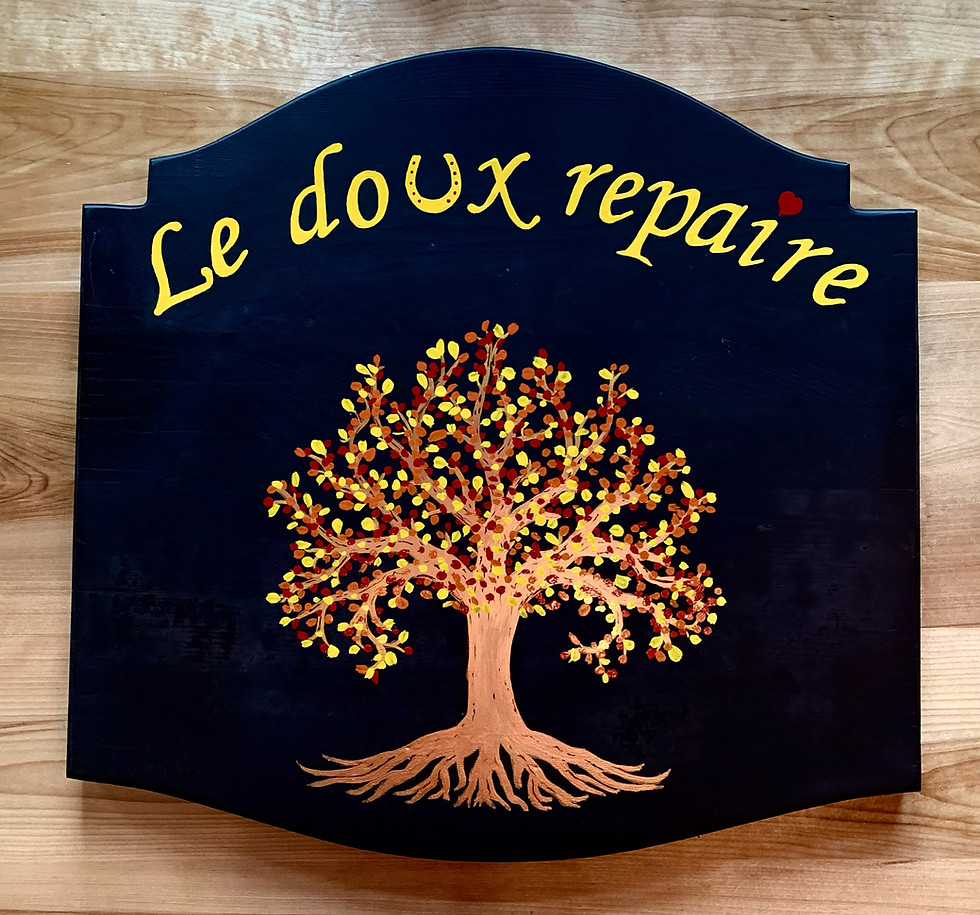
Le Doux Repaire
This cedar slab had originally another embossed logo on it, which I planed down and re-sanded before applying the new design over top.
It is on the red barn at the corner of Brome rd and Ware Hill road in the village of Brome, Quebec.

Hancock Gasoline
The Hancock Oil Company was a major independent petroleum and gasoline brand in the Western United States, operating from the 1920s until its acquisition in 1958.
On May 22, 1958, a massive explosion and catastrophic fire struck the Hancock Oil Company refinery on Signal Hill, California. The devastating inferno burned for three days while sending black smoke and raining oil across neighboring Long Beach communities, causing nearly $9 million in damages.
The disaster preceded the company's sale. Hancock merged with Signal Oil & Gas later in 1958 and 1959
EXIT - WAY OUT
1950's style Exit sign. Exploring oil painting on wood

EAT HERE
1950's style diner sign. Exploring oil painting on wood

“Every sign has a story, what's yours?”